
Perspectives
OCTOBER 2026
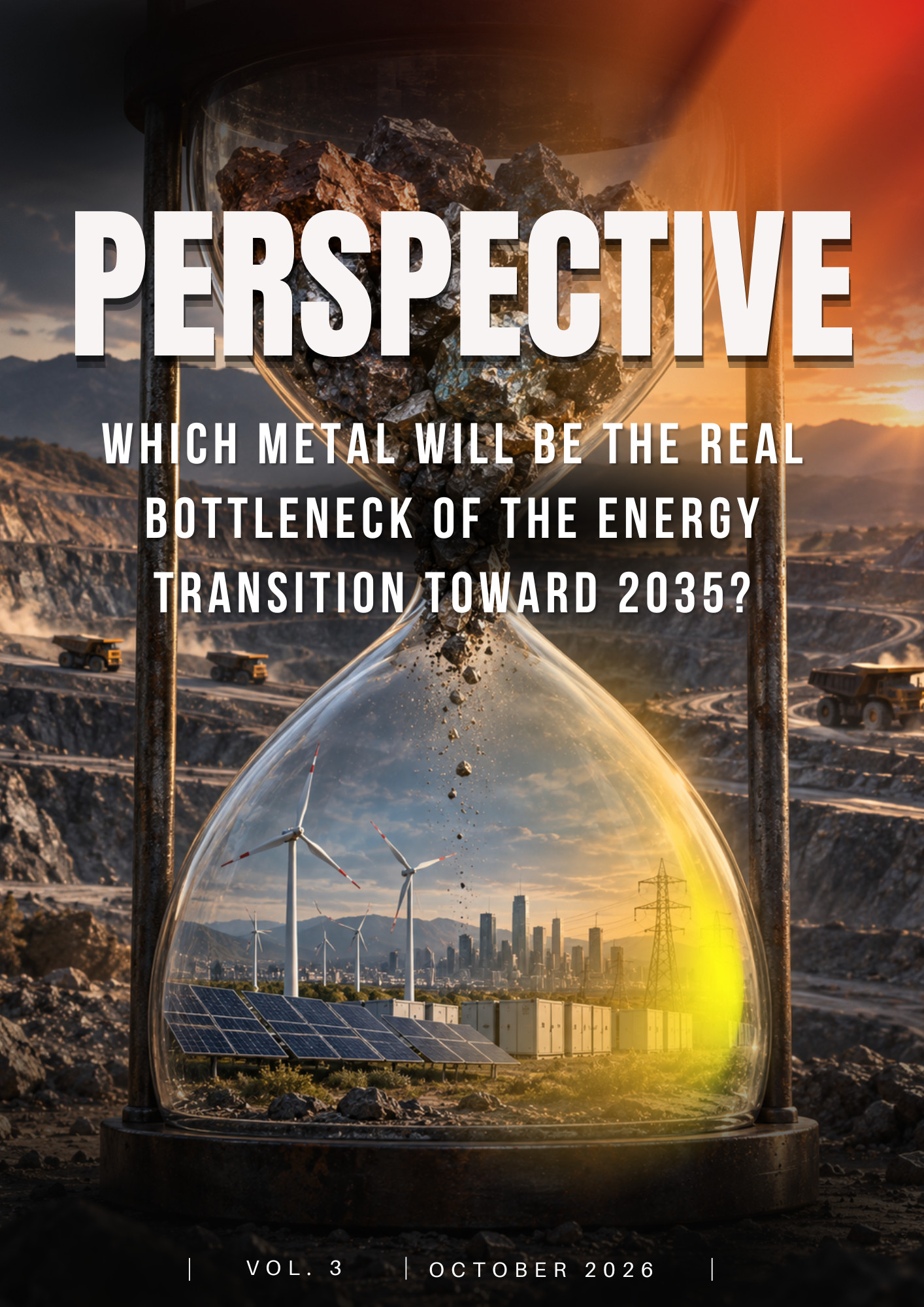
WHICH METAL WILL BE THE REAL BOTTLENECK FOR THE ENERGY TRANSITION BY 2035?
In this third edition of Perspective, GEM Mining Consulting examines one of the most significant challenges facing the energy transition: identifying which mineral has the greatest potential to constrain the deployment of the technologies needed to electrify the economy by 2035.
The expansion of power grids, renewable energy, electric vehicles and energy storage requires a timely supply of minerals. However, geological resources alone do not guarantee availability: project development timelines, processing challenges and supply chain concentration create different constraints for each material.
This report compares copper, lithium, nickel, cobalt, graphite and magnetic rare earths using the Systemic Bottleneck Index (ICBS, by its Spanish acronym), developed by GEM. The results identify copper as the strongest candidate to become the main systemic bottleneck, given its widespread use across multiple technologies and the difficulty of expanding supply in time. Lithium faces the largest relative supply gap in the base case, while graphite and magnetic rare earths face concentrated risks in processing and transformation.
JUNE 2026
FROM GEOGRAPHIC PROXIMITY TO STRATEGIC VALUE
In this second edition of Perspectiva, GEM Mining Consulting analyzes one of the most relevant challenges for the future of the mining industry: how to transform proximity between operations into a real source of competitiveness, efficiency and sustainable value.
In a scenario marked by more mature assets, greater environmental constraints, pressure on critical infrastructure and growing demand for strategic minerals, the traditional mine-by-mine approach is becoming increasingly insufficient. Today, the ability to generate value depends not only on the potential of each individual asset, but also on its integration with other projects, its territorial context and the conditions that enable synergies to be captured at district scale.
This document proposes moving beyond a purely geographic definition of a mining district toward a strategic interpretation: it is not enough for operations to be located near one another. True potential emerges when economic scale, enabling infrastructure, corporate coordination, operational continuity, and social and environmental conditions converge to support long-term development.
March 2026
HOW REALISTIC IS CHILE’S 2026 COPPER PLAN?
november, 2025
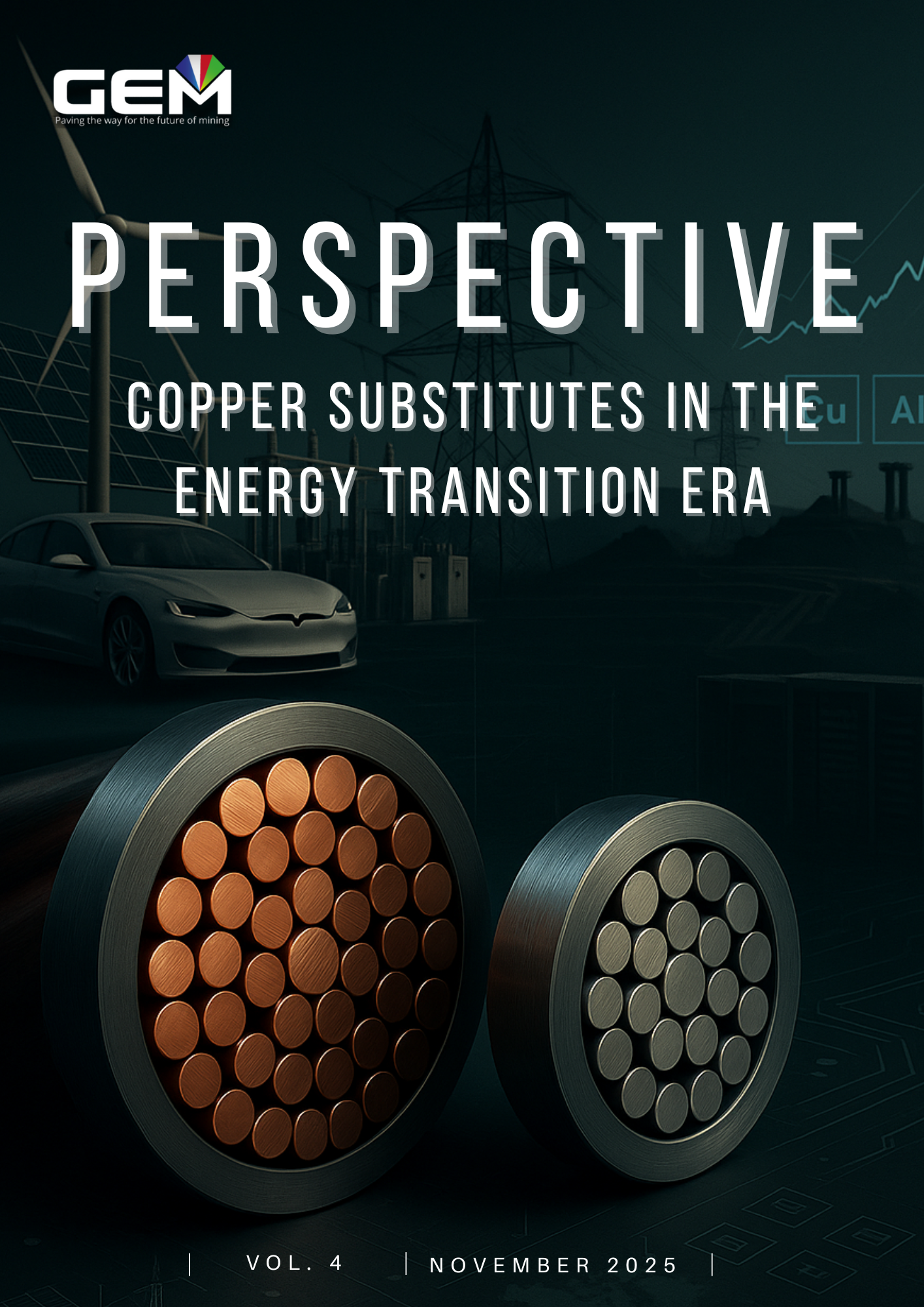
COPPER SUBSTITUTES IN THE ENERGY TRANSITION ERA
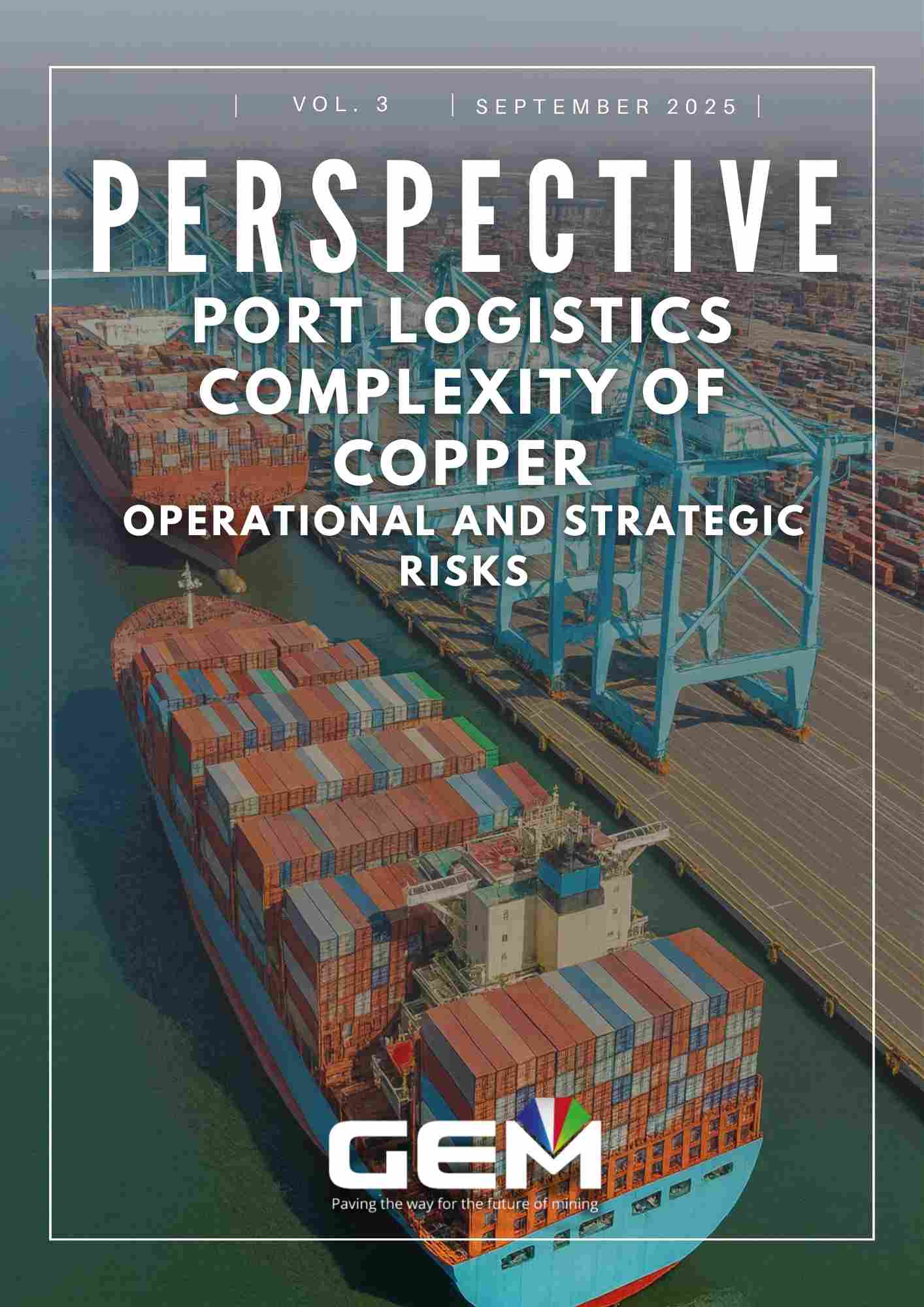
September, 2025
PORT LOGISTICS COMPLEXITY OF COPPER: OPERATIONAL AND STRATEGIC RISKS
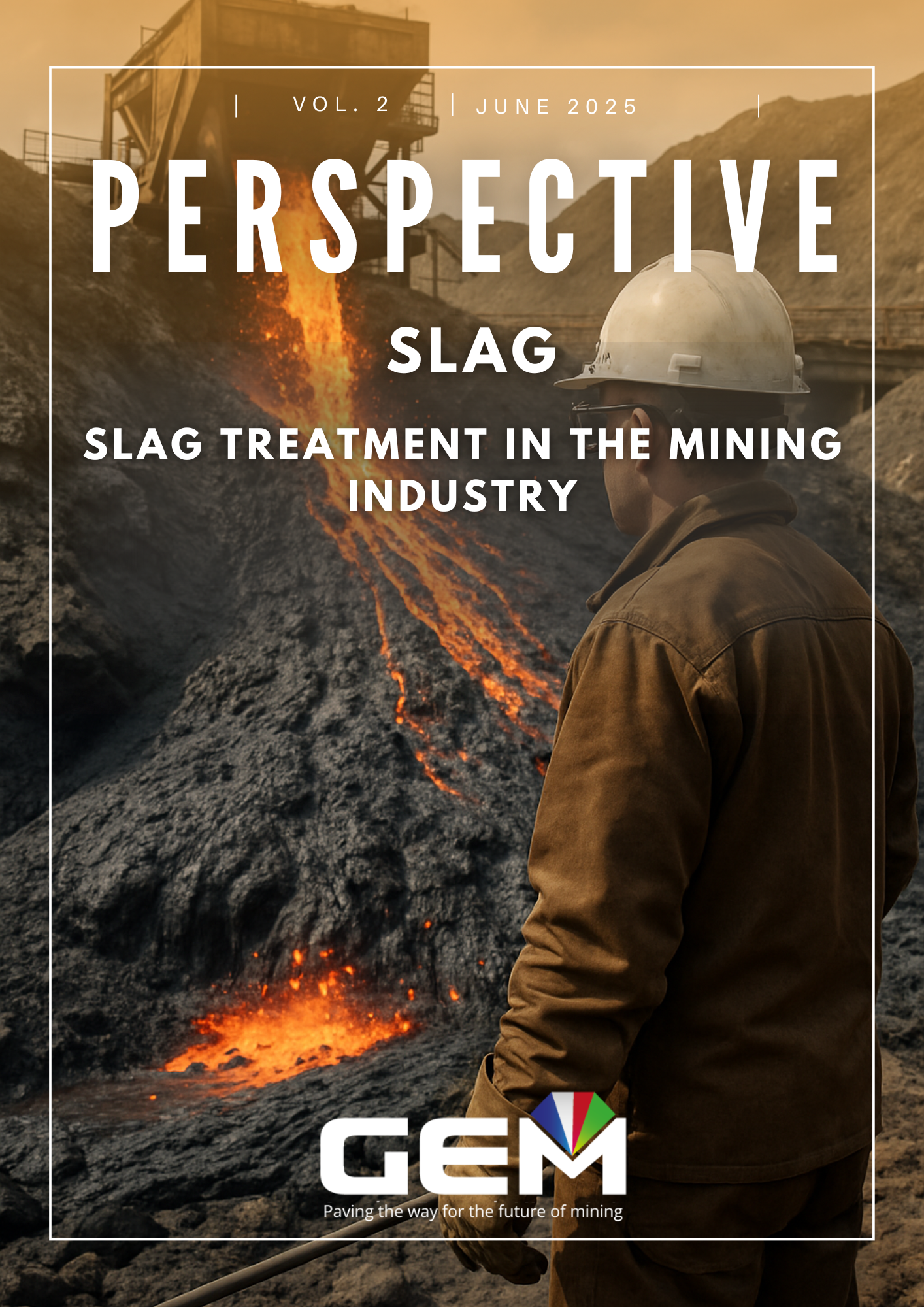
June, 2025
Driving Sustainable Change: Rethinking Slag Management in the Mining Industry
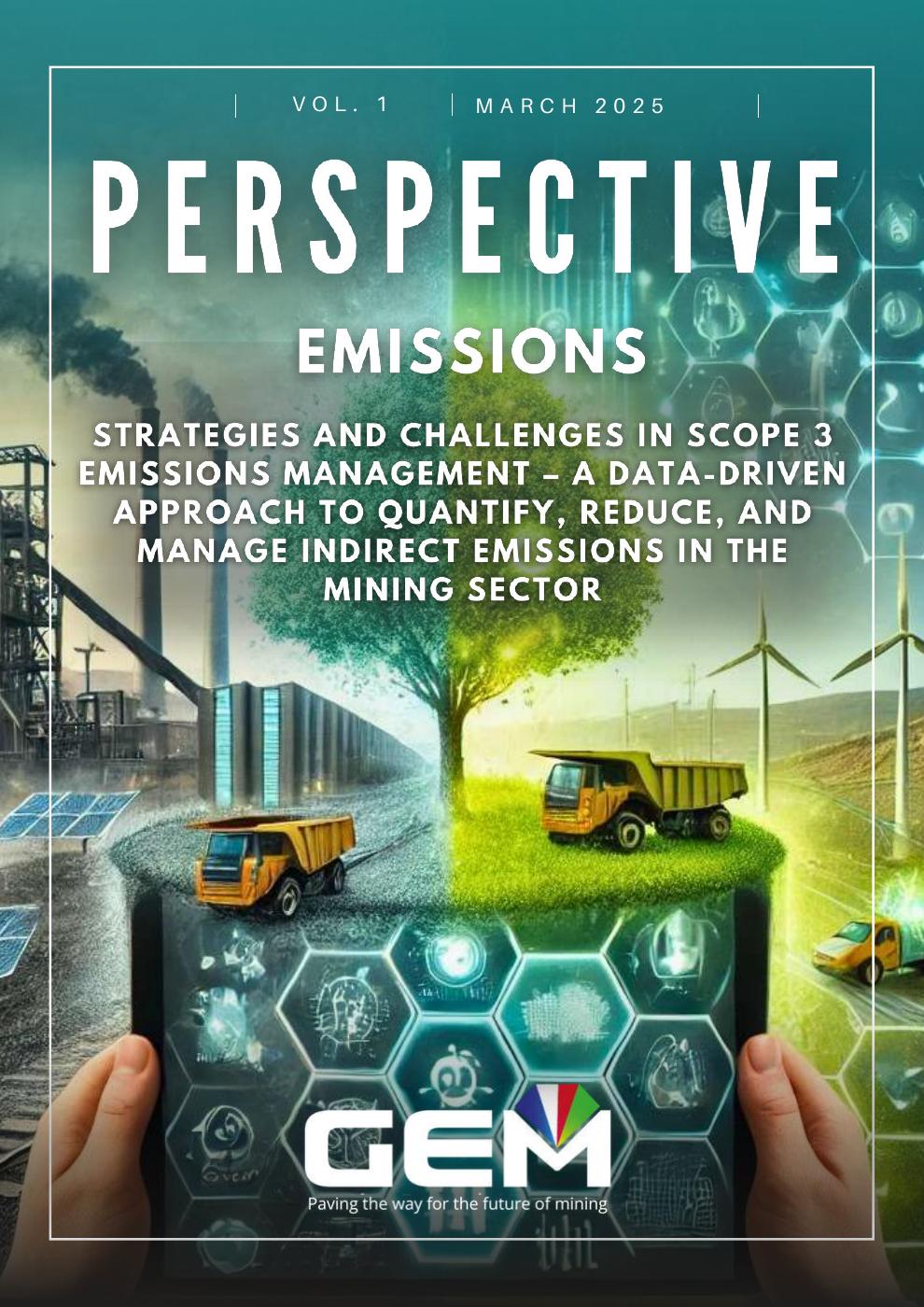
March, 2025
Driving Sustainable Change: Tackling Scope 3 Emissions in the Mining Industry